My Carmen, Again… part two
My Carmen, Again…
Part Two
Then the war started, and suddenly no one knew if I would be able to come to Israel at all. Israelis have lived with the threat of air attacks for many years, but this time the threat was coming from Iran, with much more powerful, long-range ballistic missiles. The ballet company stopped working.
Finally, negotiations began and a temporary ceasefire was reached. The war was far from over, but the attacks had stopped for the moment, creating a window for me to come. The ballet management suggested that I fly in as soon as possible. There was a shelter right next to the ballet building, they told me, and if the attacks started again, we could get there very quickly.
I won’t hide it, my family was strongly against me going. The war was still going on. But if I didn’t go, my production would have to be canceled. So I went.
As soon as I arrived, they installed an air-raid alert app on my phone, printed out a map of all the shelters in the area, and showed me which way to walk between my apartment and the rehearsal studios so that I would always be close to one. And of course, one of the first things I did was figure out exactly how to get from my apartment to the nearest shelter.
All of this was completely new to me, to put it mildly. It was frightening just to think that people had been living this way for years. The first few nights I would wake up in the middle of the night, grab my phone and check whether I had somehow missed an alert. I didn’t even know what the alert on my phone would sound like, or the siren outside. Everyone kept telling me, “Believe me, you’ll hear it.” And yes, later I did.
I arrived in Tel Aviv more than two weeks after rehearsals were supposed to begin. Two weeks were gone from what was already an extremely short amount of time to stage a full two-act ballet.
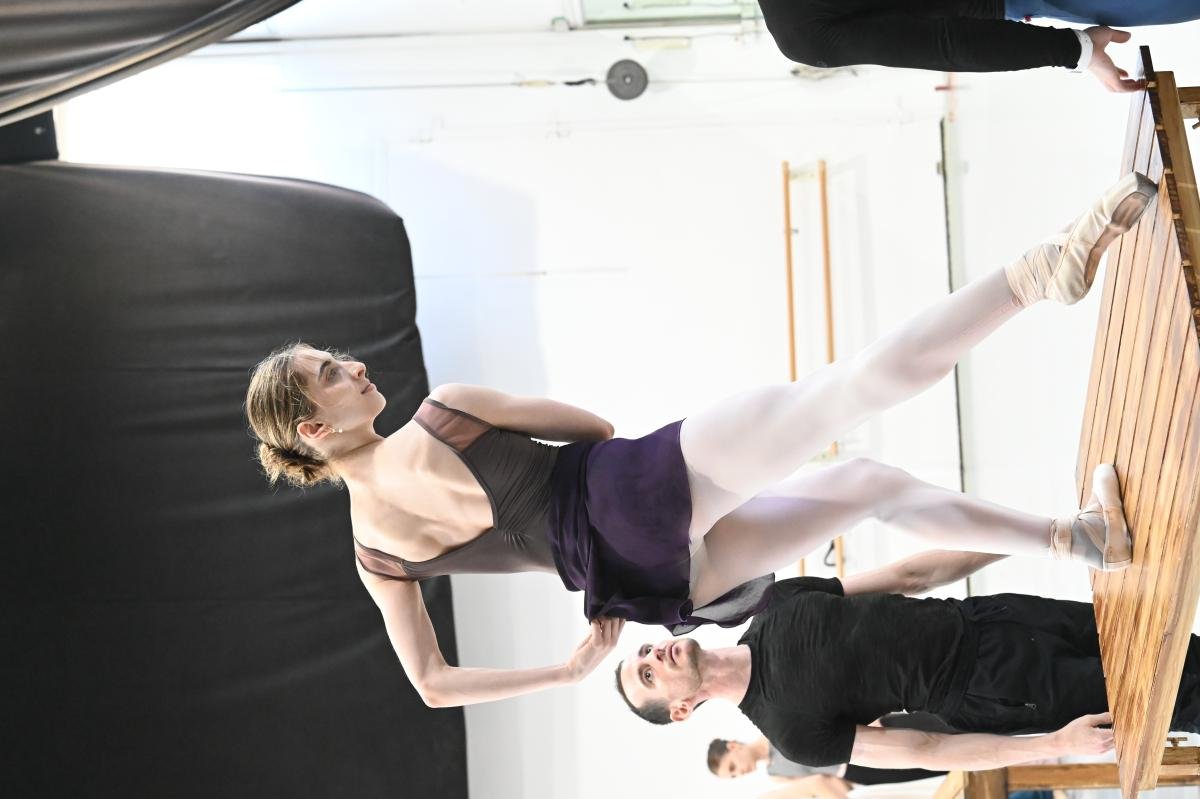
The premiere could not be moved. I was seriously worried. Never in my life had I staged a ballet of this size in such a short time. I have to say, the dancers’ enthusiasm, professionalism and, without question, their genuine love for what they do played a huge part in making this production possible in such a short time.
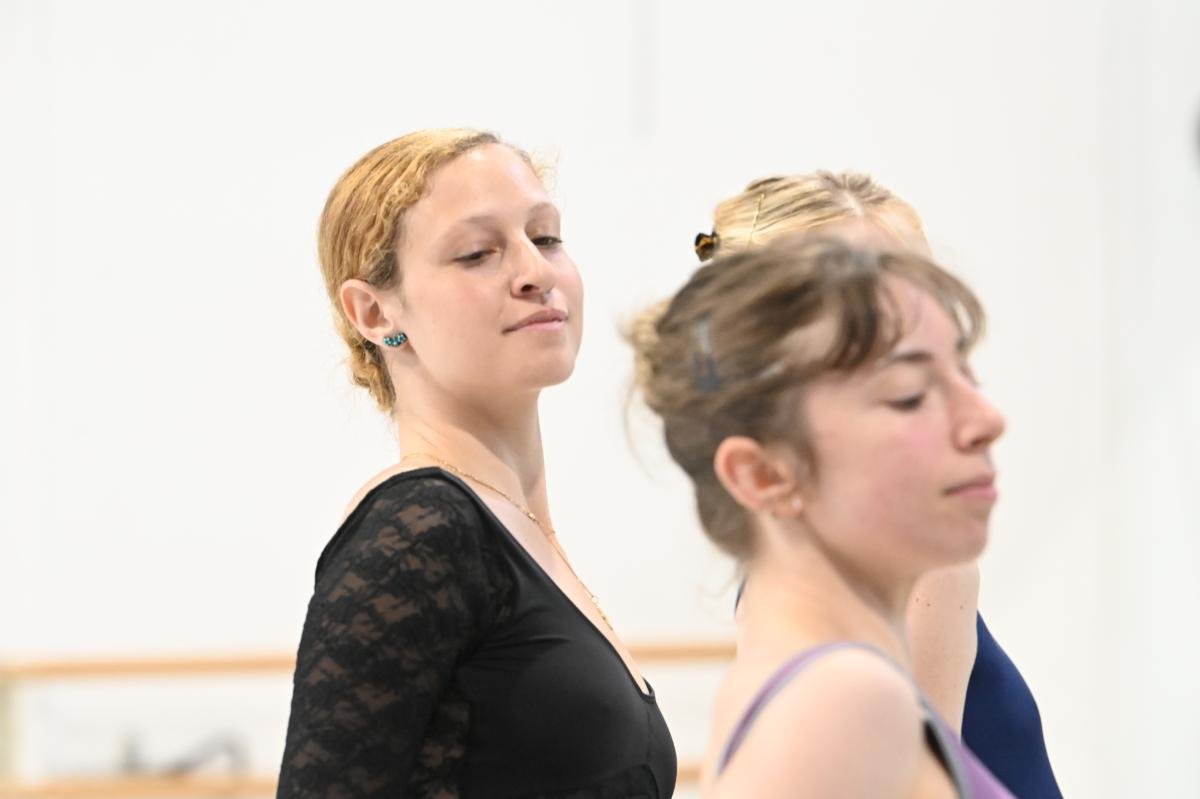
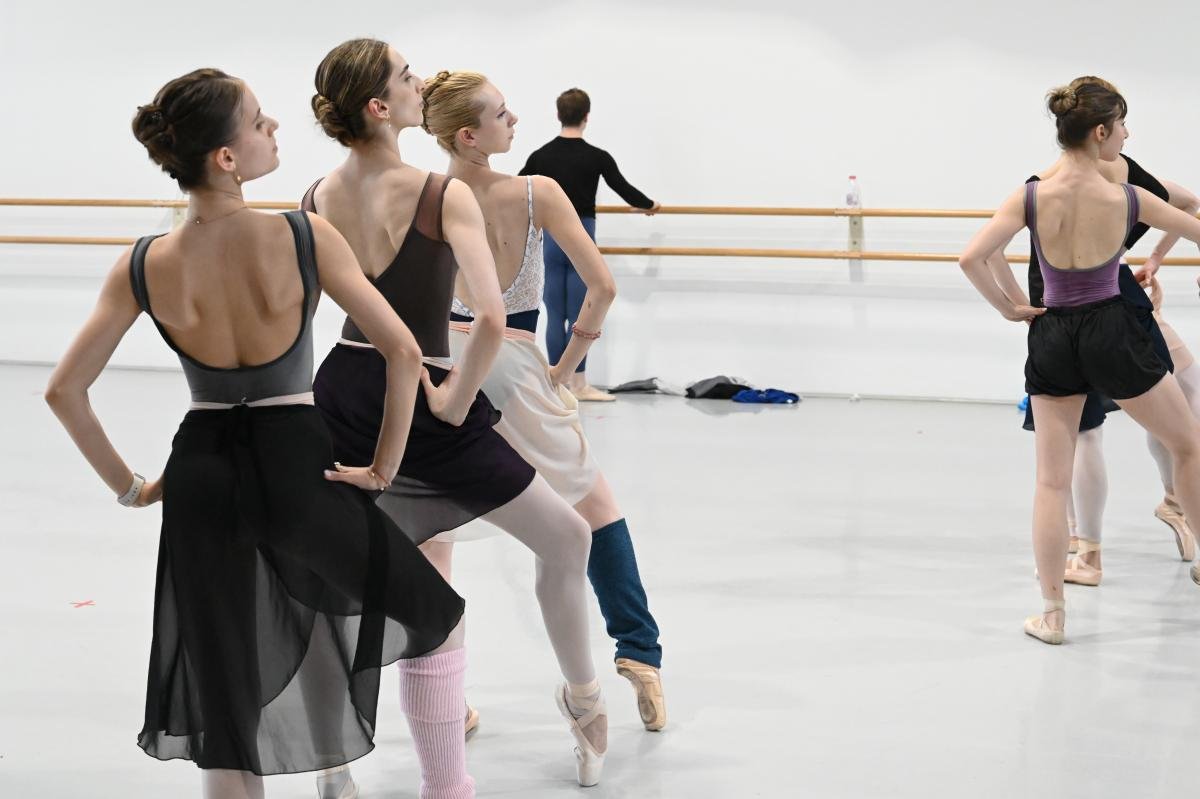
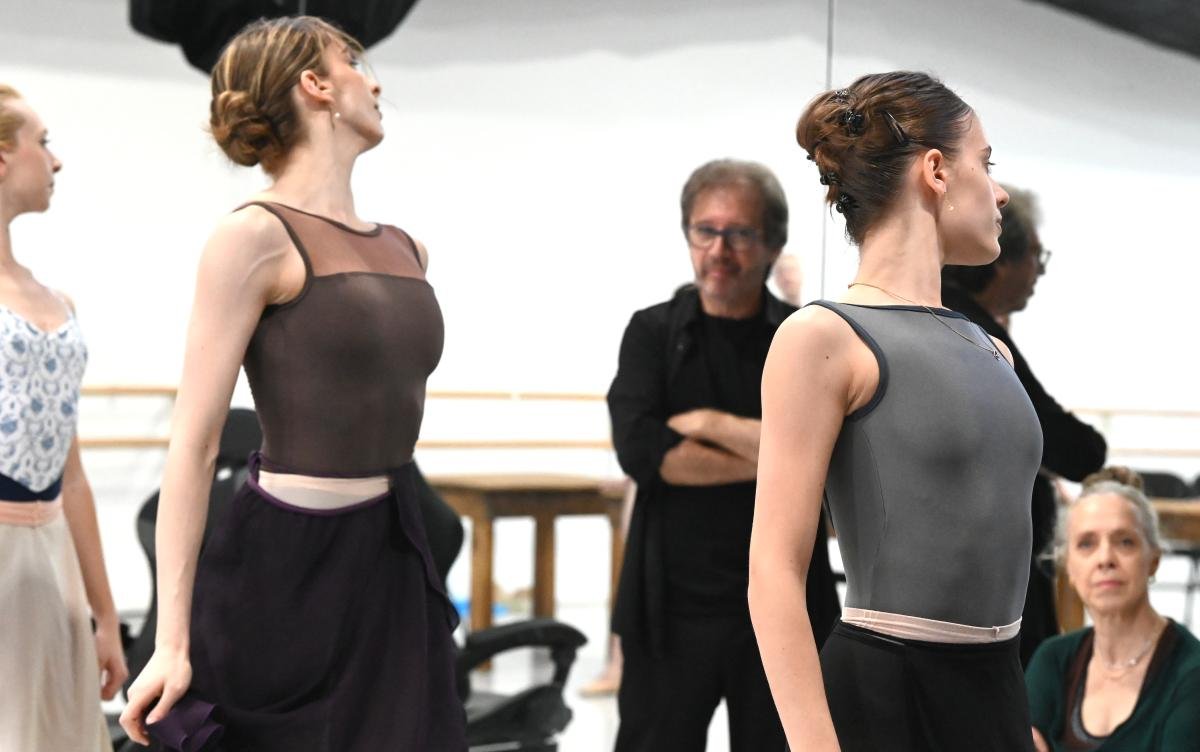
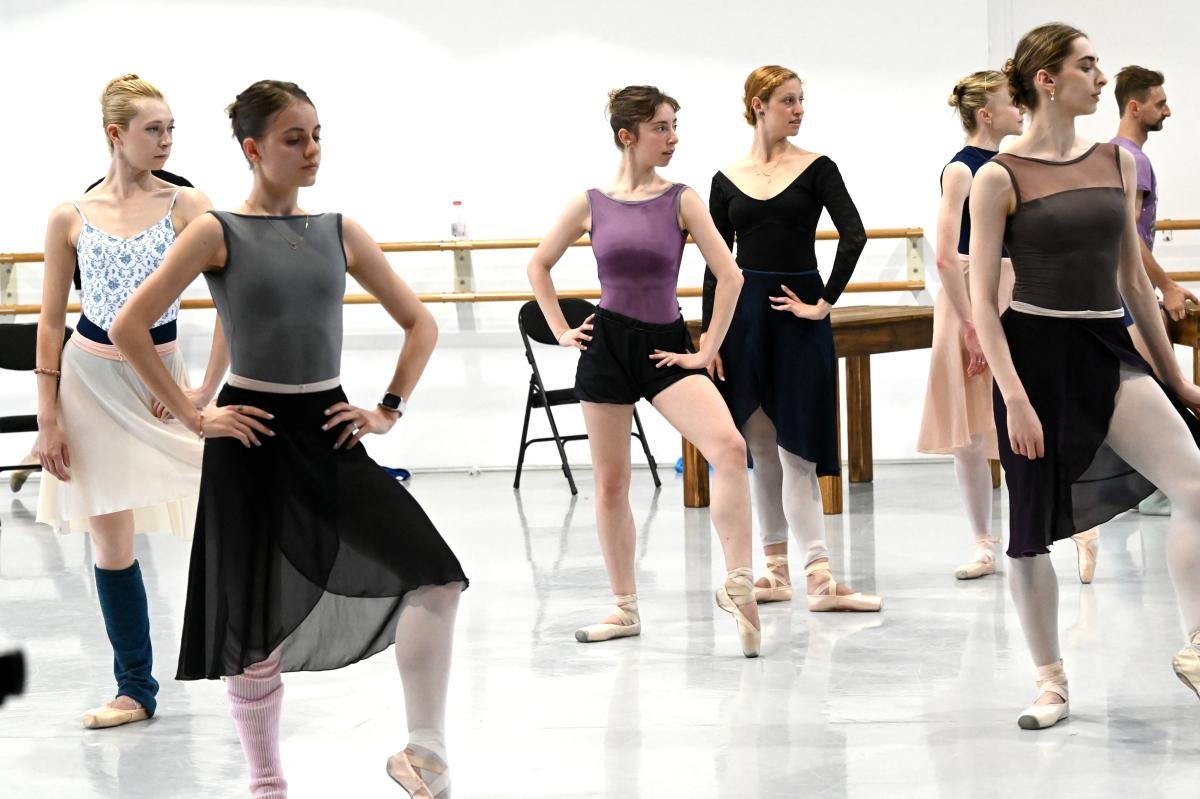
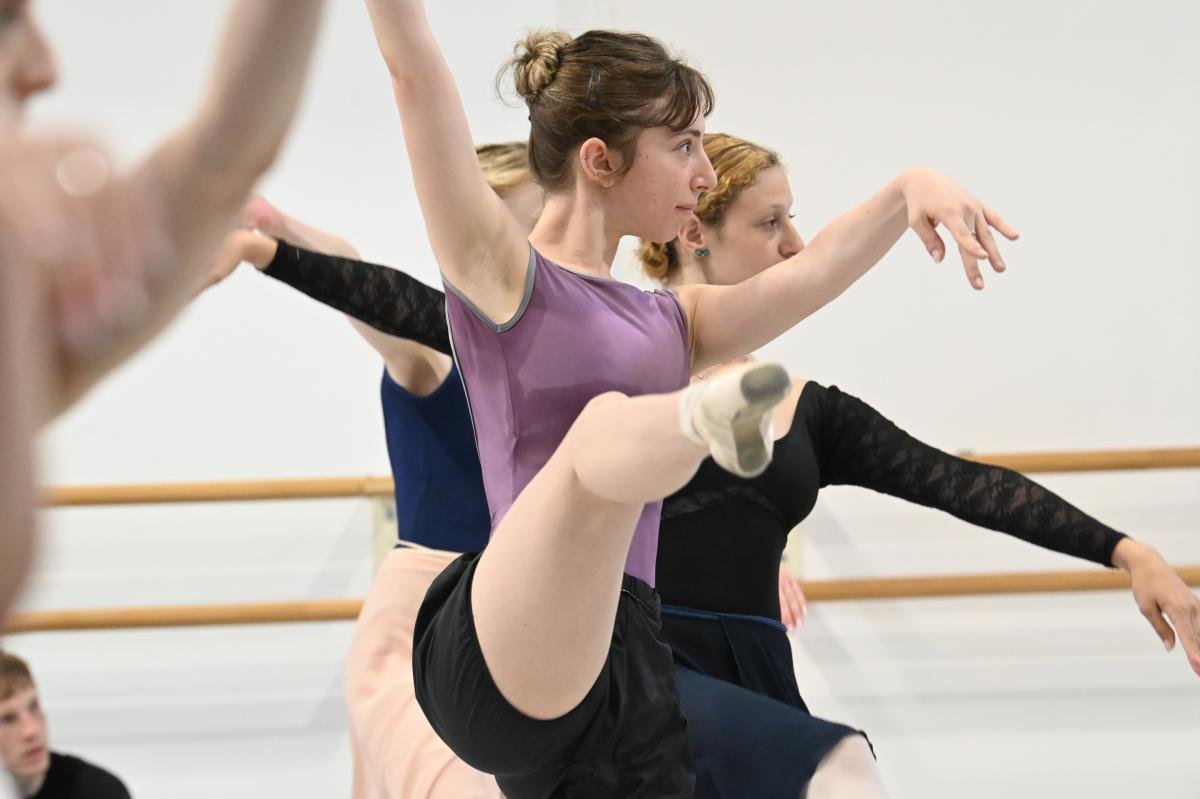
It was my first time in Israel and my first time working with the Israel Ballet. The company was relatively young, energetic and creative, with wonderful directors. From the very first days, they drew me, and themselves as well, into a difficult but incredibly exciting journey into the world of Carmen’s story.
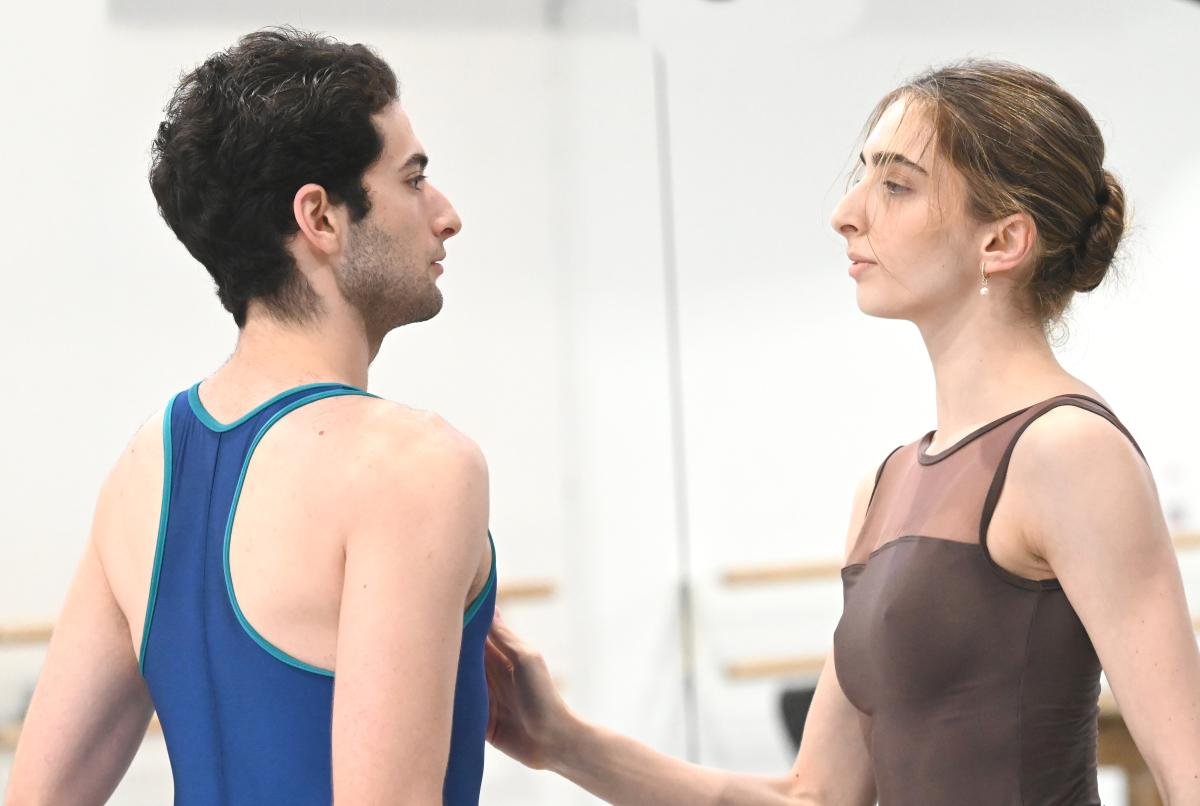
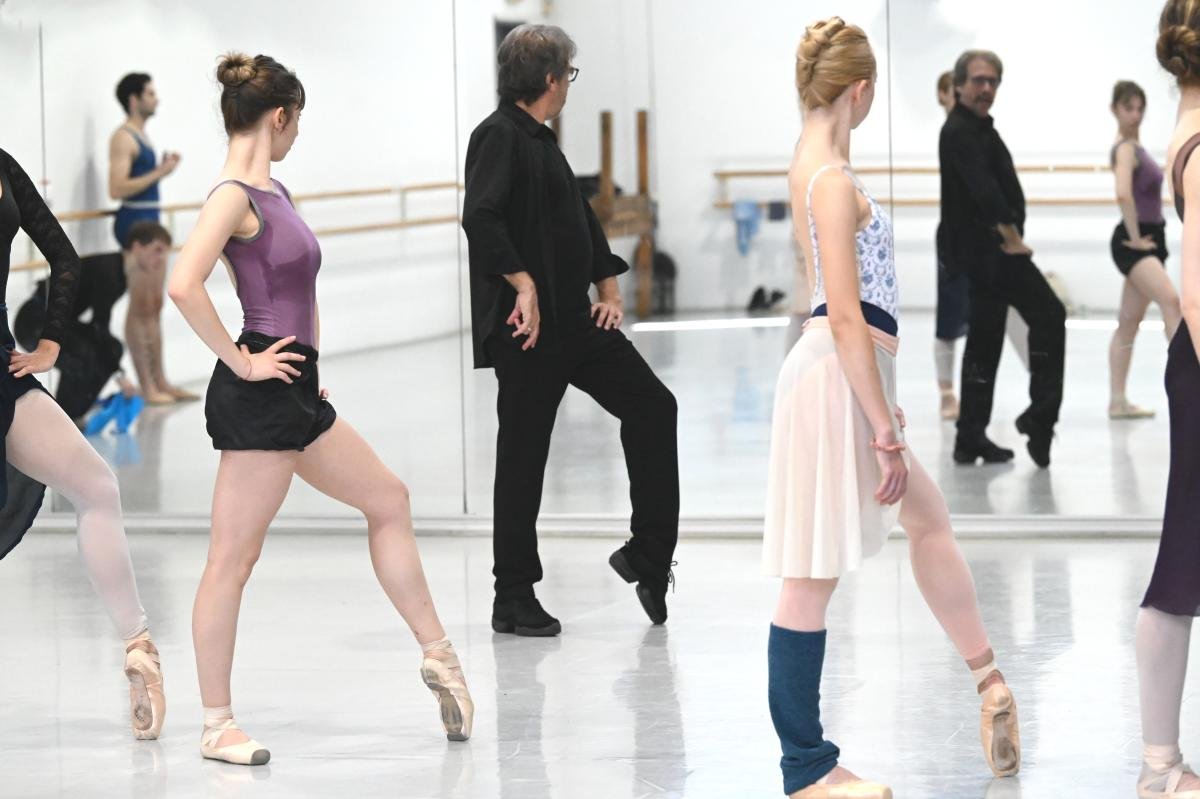
Everything I had prepared seemed to fit the dancers beautifully. The ballet masters immediately took it into their hands, working with great precision, professionalism and talent. Everyone was completely absorbed in the production.
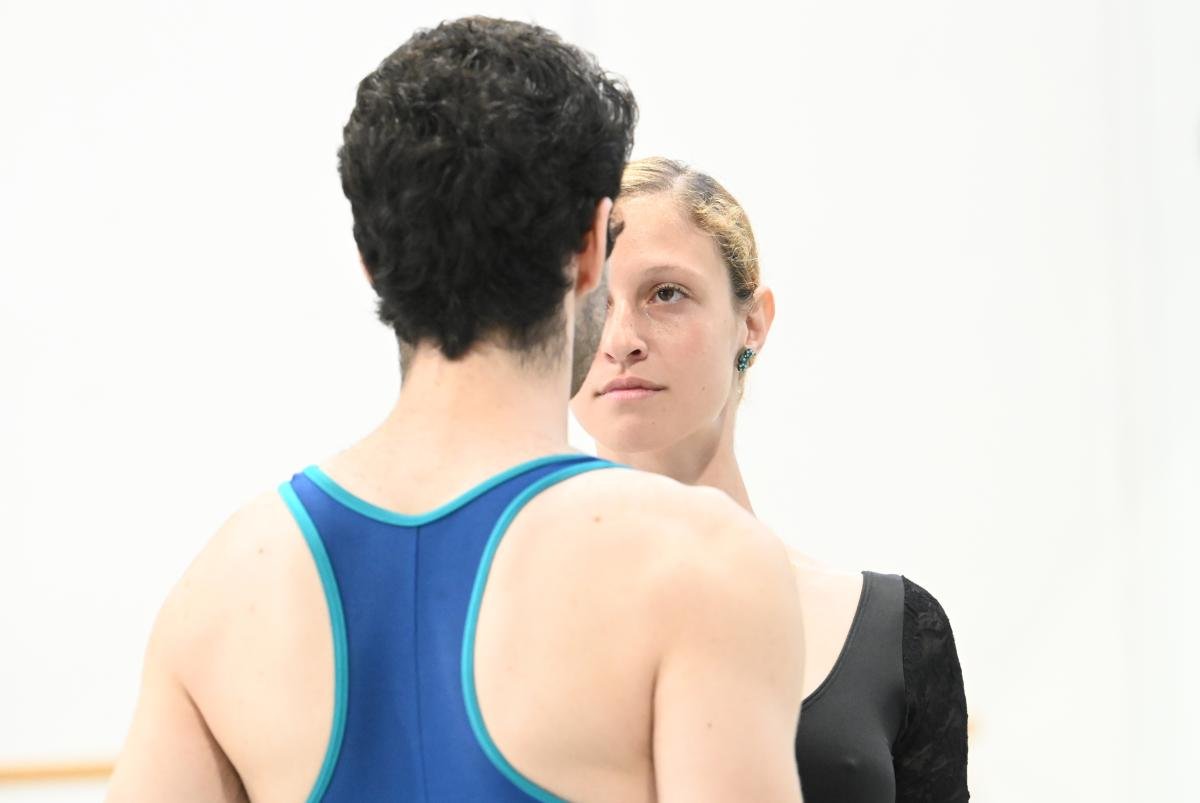
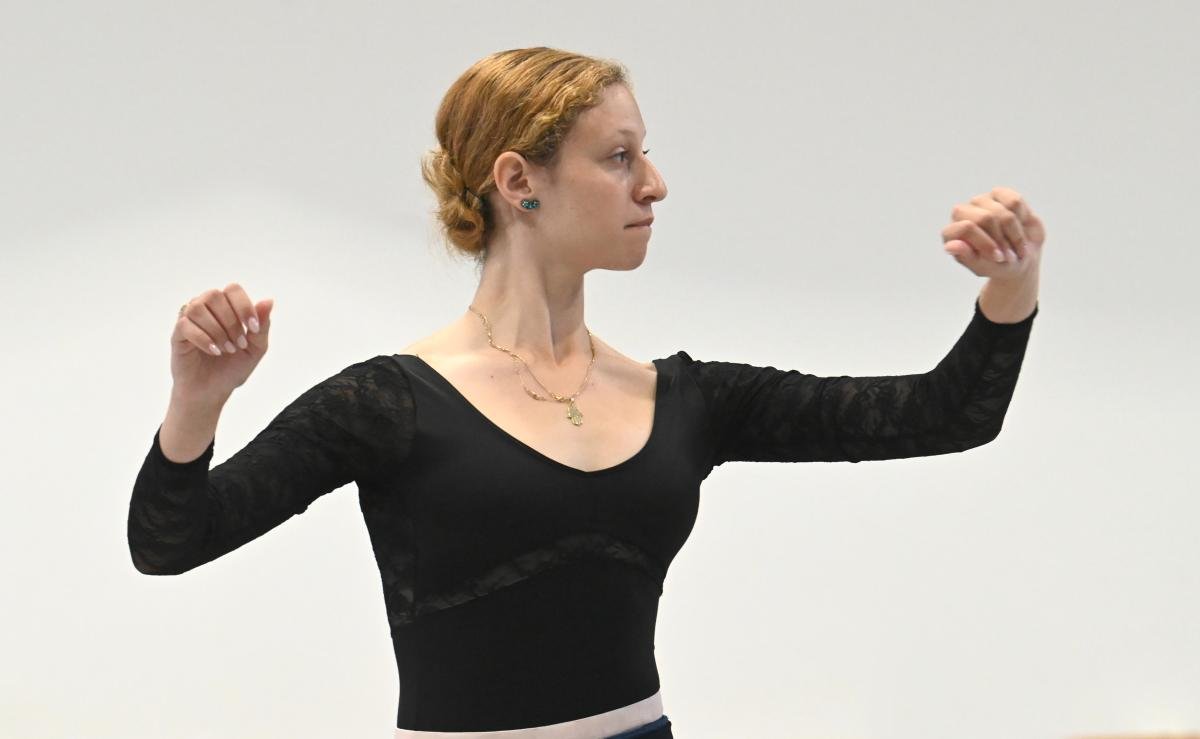
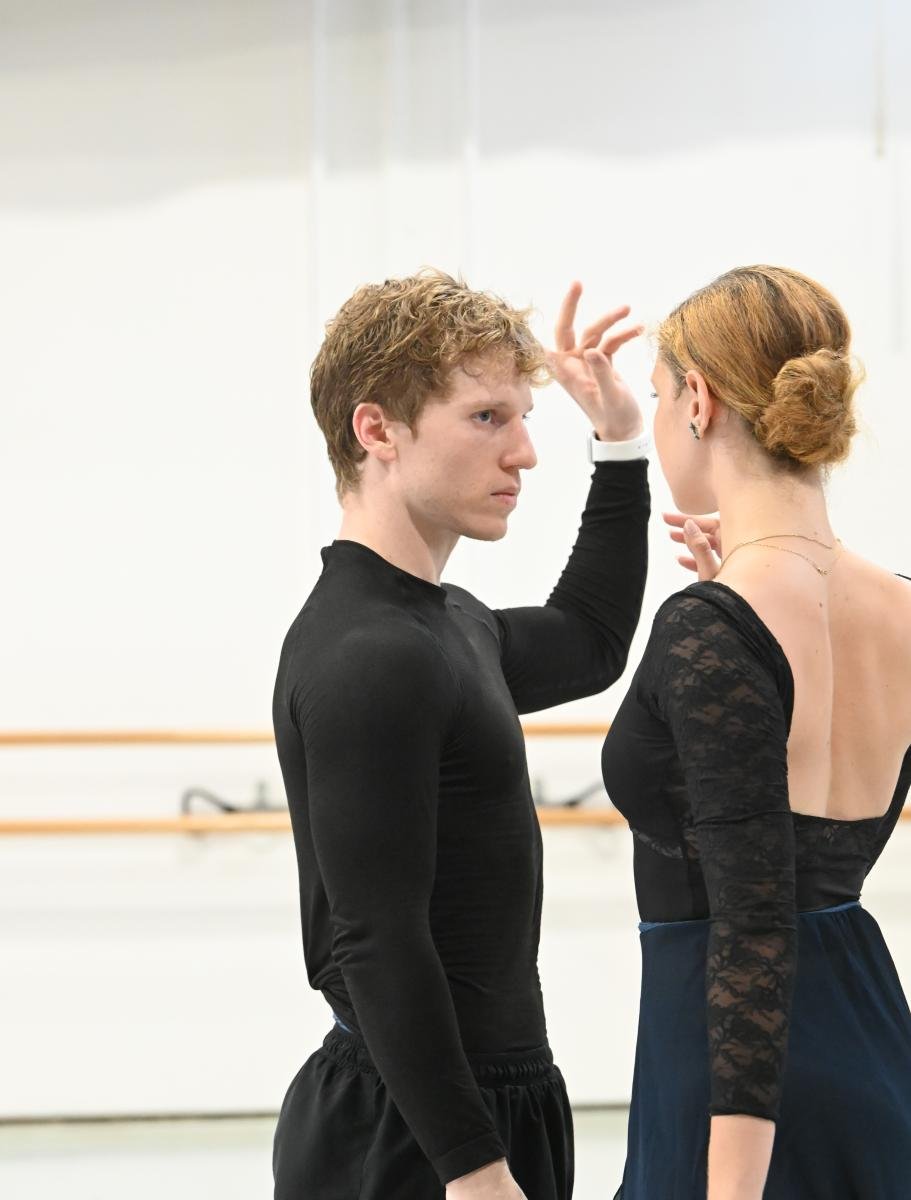
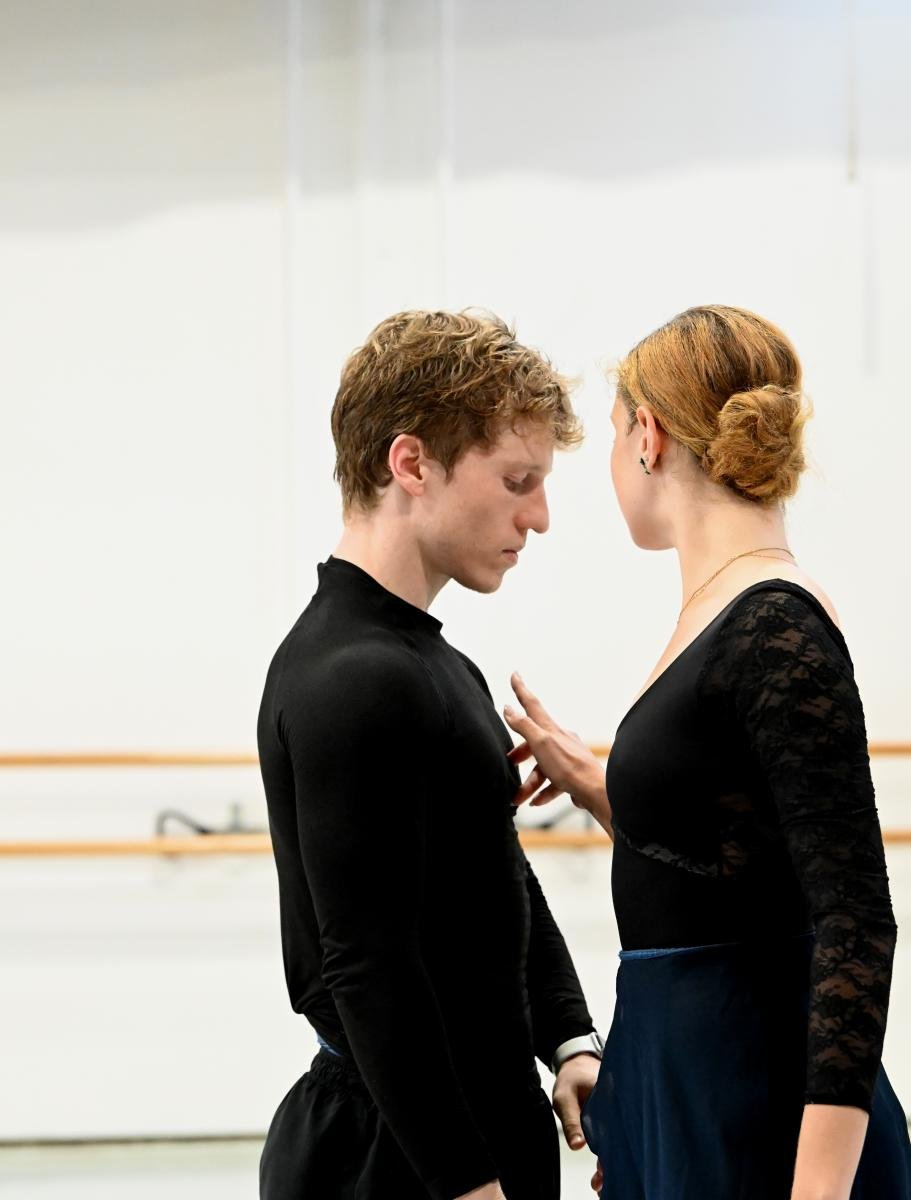
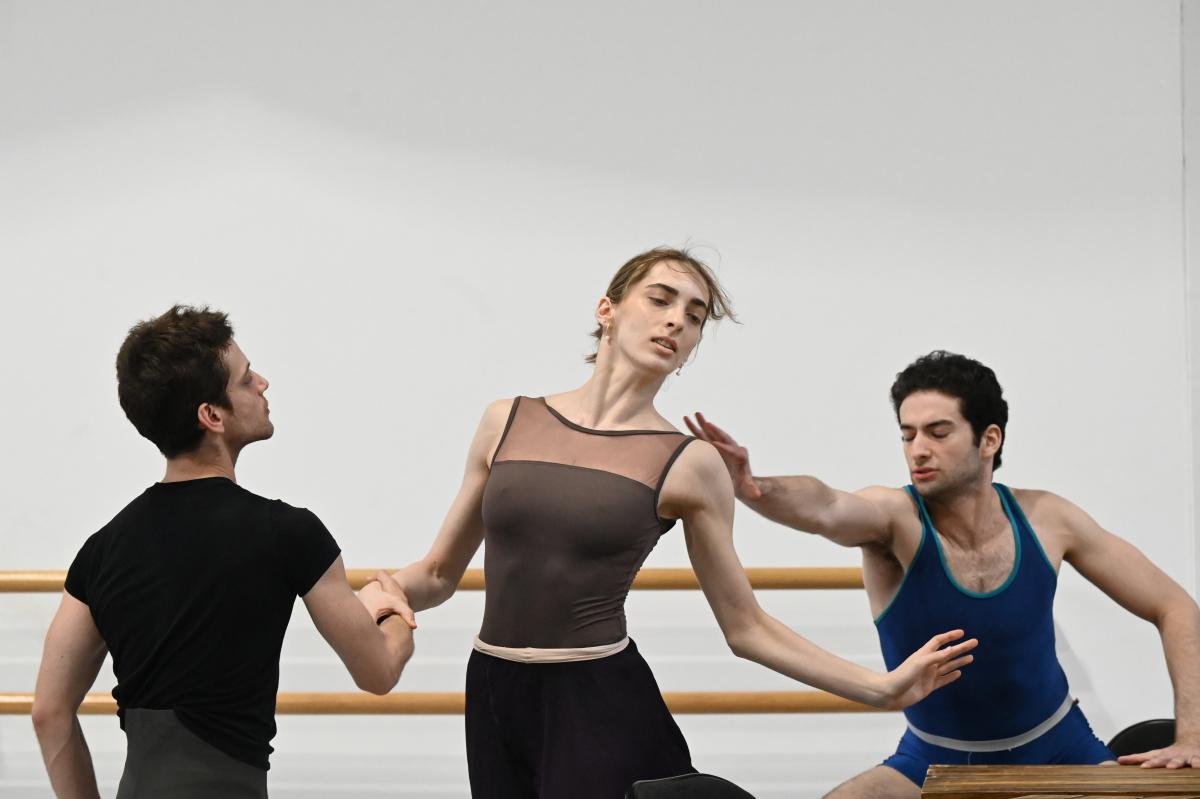
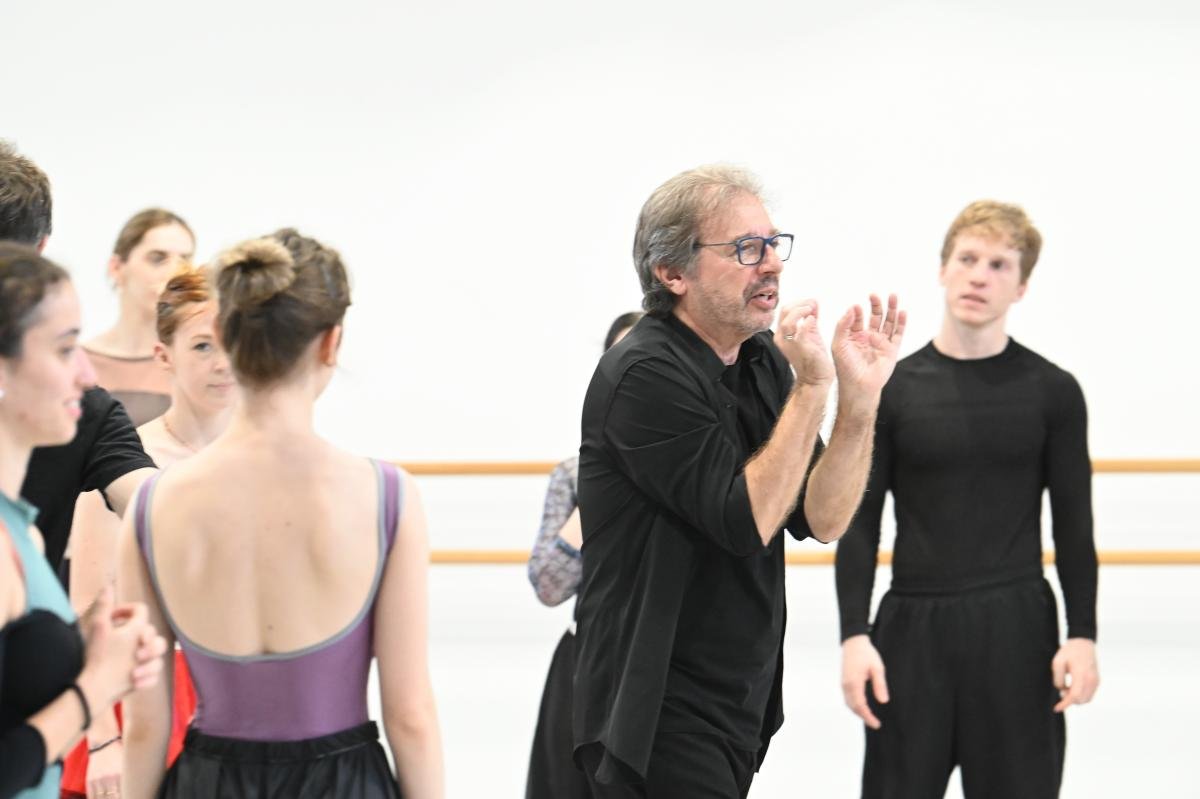
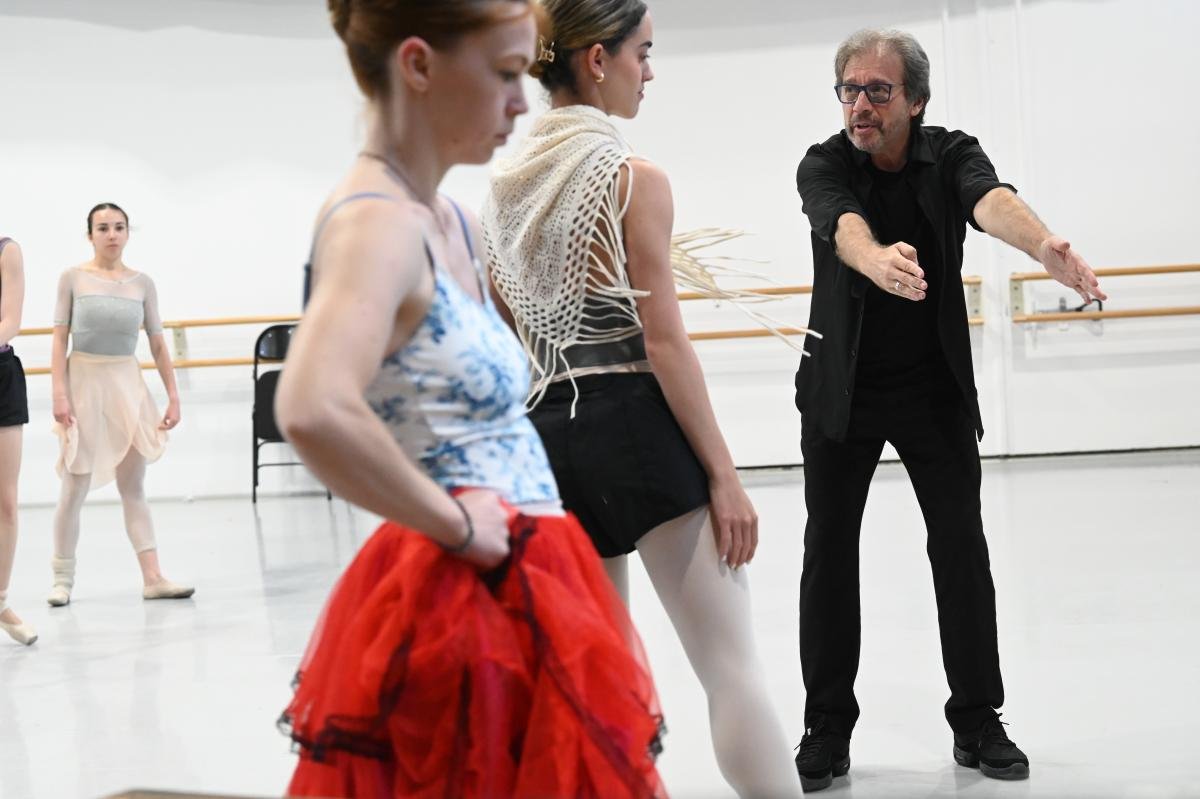
Along with teaching the choreography and working on the scenes, as I always do, I began by reading and discussing parts of Prosper Mérimée’s novella with the dancers. For some scenes, I had prepared dialogue in advance. We read it, discussed it and played out the scenes almost like actors in a drama, exploring the characters, their relationships and why they behaved the way they did. This kind of work was unusual and unexpected for ballet dancers, but it quickly created a lot of interest. Questions and discussions often continued long after rehearsal was over, and little by little the roles began to take shape. The soloists were all very different, and each was developing the path of their character in a very different way. I loved seeing that. The energy and enthusiasm of the whole company were contagious.
At the same time, work on the sets and costumes was moving ahead. That work had also been interrupted during the active attacks, and now we were racing against time. There were plenty of nervous moments, and of course not everything worked right away. By then, I desperately needed the costumes, furniture and props to stage the scenes, and the dancers needed them too, to get used to them and become comfortable working with them.
Margarita Alexandrova, the costume designer, seemed to be creating day and night. There really is no other word for it. She was constantly searching, cutting and sewing. It was especially interesting to search for the right costume for Carmen’s Alter Ego, a character who has a very important place in my version of the ballet. We were looking for Carmen’s inner double. It didn’t come immediately. Margarita would search again, sew again, and another version of the costumes for the two main female characters would appear in rehearsal. Each new version brought questions, smiles, and another search in every pose and every movement. The costume had to live together with the character.
Roey Vaturi, the set designer, came up with a new idea for the stage design that opened up some interesting possibilities for several of the scenes I had planned. The company tours a lot and performs in theaters of very different sizes and with very different technical possibilities. How do you plan for all of that? How do you design something that can be taken apart and fit into a truck? The technical challenges needed quick and reliable solutions without losing the original concept of the design.
The premiere was getting closer. The production was taking shape,becoming bright, unusual, and more and more exciting for both me and the company. Journalists began appearing at rehearsals, adding another level of nerves and excitement. The premiere was almost here.
And through all of this, there was always the reality that the country was still at war.